
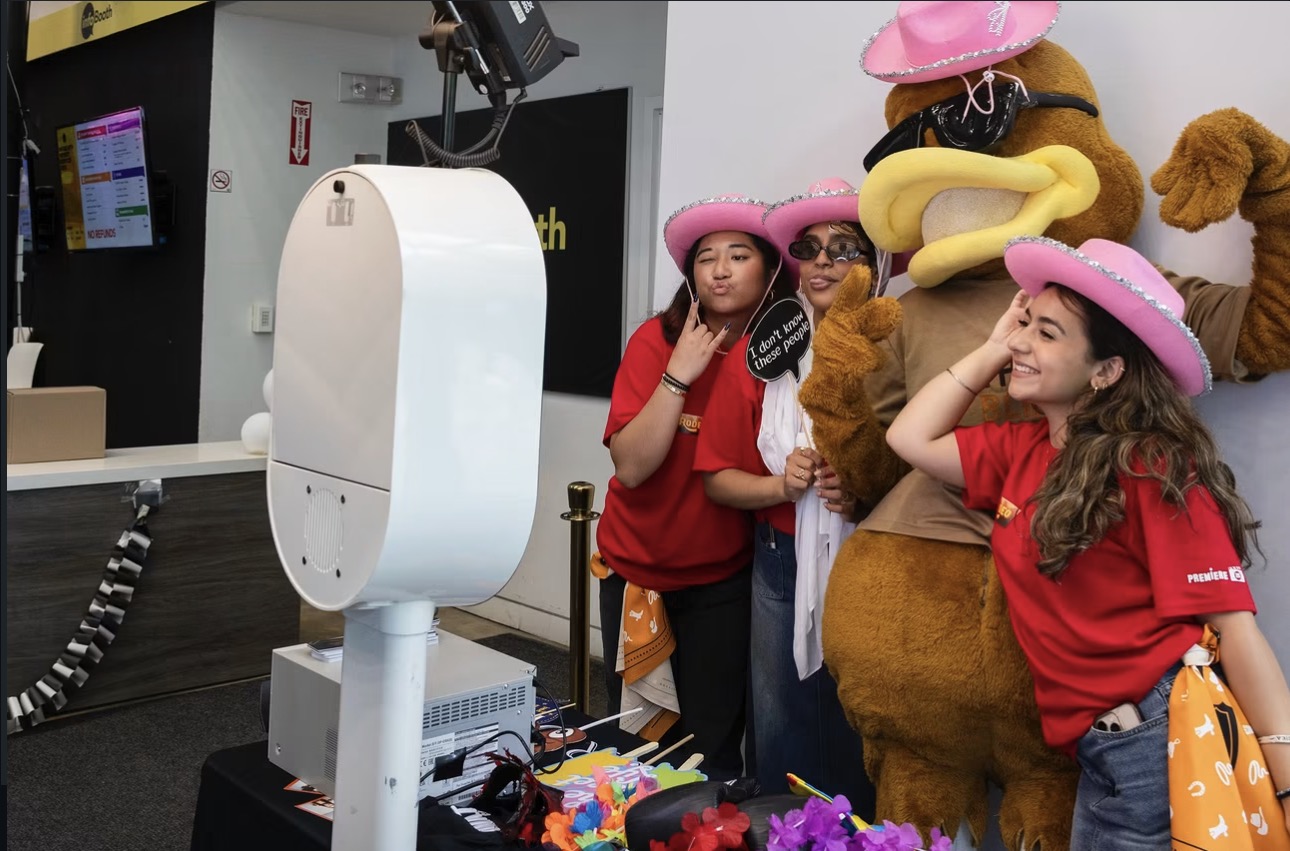
More than 3000 students attended O-Week 2026
Free and diverse community-based events ran from September 4 to 11. Students’ feedback will be used to plan future orientations.
Listen to the audio version of this article here!*
The UTM Orientation attracted more than 3000 students on campus with more than 100 events from September 4 to 11. The events were designed to help new students meet peers, explore campus, and prepare for university life.
The orientation included academic programming, campus tours, student groups and resource fairs, residence activities, and events for specific student communities.
In an interview with The Medium, Centre for Student Engagement (CSE) Assistant Director of Access and Transition Sean Park said the range of programming was intended to give students different ways to participate based on their interests and comfort levels.
Park highlighted that accessibility was central to this year’s planning. The events were free of charge, and the schedule included both high-energy activities and quieter options such as board games.
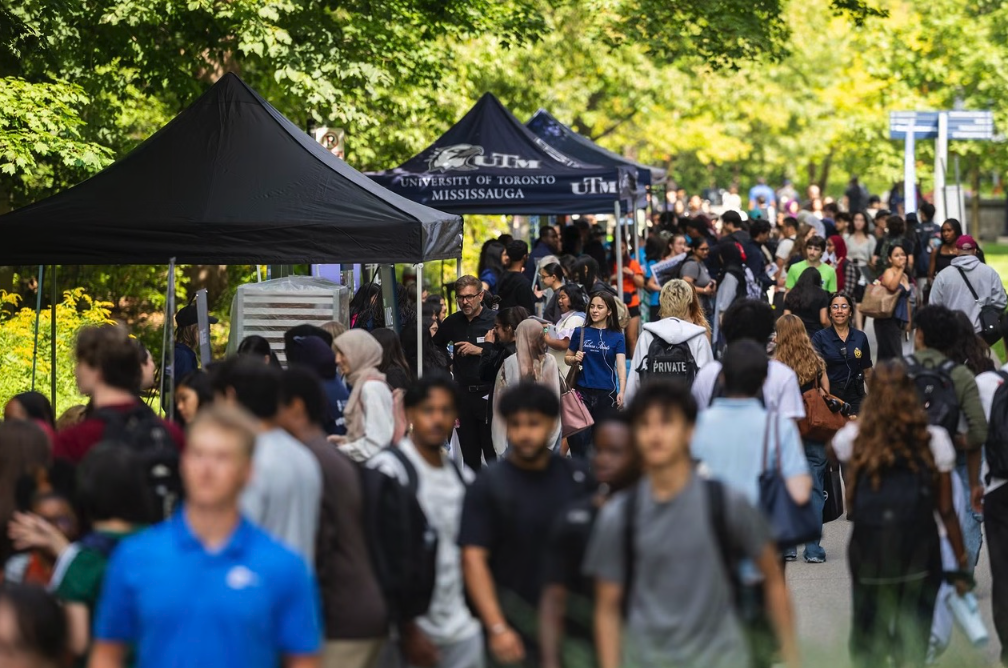
Photo provided by @uoftmississauga
Park highlighted several events, including academic garden parties and other opportunities for students to connect with faculty and academic departments. He said students’ early feedback showed that programming focused on academic preparation had a strong impact on their transition to university.
Campus tours were another key part of the orientation, allowing students and their families to familiarize themselves with UTM before the academic year began. Meanwhile, resource and student group fairs allowed students to learn about opportunities available on campus.
Community-specific events provided a space for students with shared experiences to connect. Park pointed to the UTM Black Excellence Orientation Bonnet and Durag Bash as an example of such programming.
Park shared that community-focused settings were central to achieving the orientation’s goals. “Those types of events where students are really able to meet and connect with each other in authentic ways — those are the ones that I think are really key to what we’re trying to achieve.”
Early feedback from students also pointed to the value of having control over their orientation experience. Park said students reported making new friends, meeting upper-year students, becoming familiar with the campus, and appreciating the ability to choose events based on their own interests.
On the other hand, residence programming was designed to highlight the resources, supports, and opportunities available to students living on campus and became busier as students arrived for events.
Looking ahead, Park said UTM will continue using student feedback to shape future orientations. While the CSE hopes to encourage more participation, organizers also paid attention to requests for more low-pressure opportunities for students to build community.
Park explained, “It gives students the autonomy to create the experience that they want, which is our ultimate goal.”
As UTM continues refining its orientation programming, the response from students has been encouraging for organizers who have spent several years developing the program.
Park shared, “It’s really exciting to see our campus come alive. Our students and campus partners all buy into this kind of experience that we really want UTM students to have.”
*AI-Generated Audio Transcription Disclaimer
The audio transcription included in this article was generated using artificial intelligence (AI) technology with the purpose of improving accessibility for our readers and providing an alternative opportunity to engage with The Medium‘s content. Please note that AI-generated transcriptions may contain errors or inaccuracies in pronunciation, wording, or interpretation.
The original written article remains the authoritative version of the content. If you notice an error in the audio transcription, please contact social@themedium.ca so we can conduct further reviews and corrections.